One of the most crucial leadership traits that sets great leaders apart from average ones is the capacity to inspire. While there are many excellent managers, there are very few excellent leaders who have the ability to bring life, passion, and connection to their actions and behaviors. Along with a crystal-clear vision, mission, and dedication to integrity that directs them in everything they do to improve the world.
Those who are inspirational leaders lead with a strong sense of purpose and obligation to effect positive change. They know exactly what their values are and don’t give in when under pressure to do something that would require sacrificing those values.
They might not always become well-liked for this, but in order to grow and scale the progress eventually, these adept personalities understand the essential aspects that are focused on cultivating an environment that makes their employees feel comfortable coming and talking to them.
Inspiring leaders behave honorably because they are aware that their employees are constantly watching and that every action counts. They adhere to their values and incorporate them into everything they do as a result. Moreover, the risk-taking ability is an essential part of leadership. Rosa Parks, Henry Ford, and Elon Musk are a few leaders who have made a difference in this world by taking courageous risks.
Successful teams inspire inspirational leaders to be dedicated to and motivated by their work. They foster an environment where people can come together to share their experiences, knowledge, opinions, and ideas resulting in disruption and innovation.
Accepting collaboration encourages people to step outside of their comfort zones and learn from one another while achieving great things. Employees then become more self-assured and eager to take on more responsibility.
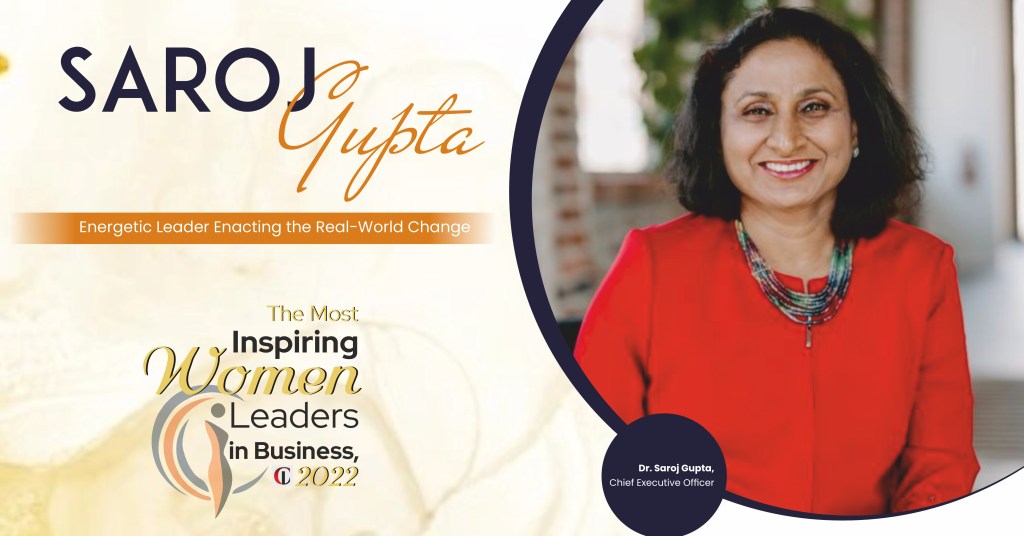
Embracing the journey of such resolute leadership charismas, CIOLook features the enthralling stories of the astute personas of the industry in its latest edition, “The Most Inspiring Women Leaders in Business, 2022.”
Revisiting the vast shelf of the memory library, I glanced through the pages of my childhood, reminiscing a beautiful time. I traveled with my grandmother to a weekly spiritual gathering, where I repeated the words I heard from the speaker, trying to learn a new language I was unfamiliar with.
Years later, when I was introduced to the anime world, I was intrigued and curious, unknowingly imitating the same I did as a child. I picked up on a few words and some Jutsu I came across while watching Naruto. However, at times I couldn’t grasp Japanese quickly; this is where English subtitles came to my rescue. Now that I think of those moments, from learning different languages to coming across difficult ones, transcreation has helped me in several instances.
When you think about it, transcreation has been around us for decades, though we hardly identify it as a means that helps us understand things from a different cultural background much more swiftly. With the rising number of social platforms and streaming services, people are exposed to consuming content from corners of the world created in different languages.
The quote “The beauty of any verbal art form is in the language it is made” is genuinely true, but with the help of transcreation, these art forms can become widespread globally, generating a loyal fan base. If it weren’t for transcreation, I wouldn’t have been able to enjoy Squid Games the way I did, assisting me in learning more about the Korean language and culture.
The unsung heroes behind these transcreations are the leaders putting their heart and soul into translating several languages to help people worldwide, from fundamental to complex things. By developing AI programs that can make these translations seamless and precise, incorporated into the device, you are reading this note.
Ask your personal AI assistant to translate anything your heart desires Google, Siri, or Alexa; you’ll be amazed. We appreciate the technology but never the ingenious mind behind them.
The plumbing is hardly ever a topic of conversation unless it’s clogged up. Before the pandemic, the supply chain played the role of a functional and supportive system and was rarely brought up in boardroom discussions among the top-level management. But enter into the 2020s, and it has become a matter of much hullabaloo in the c-suite. And why not?
The formula milk shortage in the U.S only stresses the lessons of the previous two years. Diversified, agile, and flexible supply chains have become necessities for businesses in the 21st century. Organizations with superior supply chain efficiencies will be able to move faster and gain an advantage over their competitors.
The best example of the benefits of making supply chains your core competency is Amazon. Amazon’s world-class supply chain continues to give the company its edge in an extremely competitive market. This competency is what positioned Amazon to gain the advantage during the pandemic shooting its profits to the heavens above.
Therefore, it is with obvious expectancy that the supply chain has swept into the c-suite rooms. There is much to be attained and everything to be lost without making the supply chain a c-level concern. With this understanding, Insights Success is releasing the edition of “The 10 Most Influential Leaders in Supply Chain.”
In between the pages of the magazine, you will find interviews with experts who have been successfully navigating the 21st-century challenges in supply chains. Their domains are as varied as their approaches which will only give a comprehensive look into the functionality of supply chains of varied spheres. You will also find the expertise of the industry professionals written from a CxOs standpoint. Don’t forget to give them a read too.
When amalgamated with effective influential skills and art of persuasion, marketing opens the doors to increase sales, enhances interaction with influential groups of people, and improves self-esteem through self-expression. Persuasion, a vital part of communication, helps with employee, customer, and community relations. Moreover, effective argumentation leads to promotions, raises and positions that offer power and influence.
To influence is to market your ideas and get people to “buy in” to those ideas through persuasions. Comprehending this aspect requires an underlying motivation, priorities, and a strong focus of your target.
Influencing is a process. It needs a solid strategy with effective tactics so that in presenting the world with the unique ideas or proposals, it develops an emotional connection in a significant manner and pace that the target audience seamlessly accepts. However, Decisions are facts that are based on emotions. The essential aspect of influencing is listening, being curious to understand and speaking from a listener’s perspective.
The one who has a command on these fundamentals understands the process, framework and unique techniques of implementing influencing skills to interact with the people in a better way.
Marketing is something that is reliant upon buyer habits. Primarily, one of the most challenging buyer habits to overcome is resistance to buying. Efficient persuasion can help buyers feel more comfortable with their purchases while boosting sales. A critical factor in overcoming buyer resistance is showing the buyer that you empathize with the difficulty of the purchase decision.
Telling the buyer, “I know this is a difficult purchase to make, and I understand how you are feeling,” can set the buyer’s mind at ease and open them up to a purchase that will satisfy them as well as the salesperson. The key to effective persuasion and influence is transparency and honesty.
Factual persuasion does not attempt to trick the listener but instead provides a base of facts the listener can use to support the decision. Learning to effectively influence others by providing solid persuasive communication can improve self-esteem and lead to leadership positions in the community and the workplace.
Embracing the journey of the personalities who have mastered these fundamentals, CIOLook presents the enthralling stories of these starlets in its latest edition, “The 10 Most Influential Women in Marketing, 2022.”
One of the “Critical” aspects of an organization, or any community—is managing its necessary asset—its human resource. Humans are a social species that have evolved from being in small collective groups to living in large community clusters.
The social architecture in which we live has transformed from dwelling in simple packs as hunters to thriving in complex socio-engineered communities. And it all boils down to the likeliness, belongingness of an individual and the empathetic connection towards their peers, which applies while living with any group or community.
As time passed on, many communities were formed all over the world. The ones who kept their members happy passed the test of time. Understanding this ethos of mutual living, it is important to consider that “When a social community follows a set of well-directed principles that suit the needs of all entities collectively, it is likely that it will not fall too soon.”
Well, every kingdom has its own downfall, and every era has its end date; what truly matters is the quality of time spent and how the group as a whole managed to gel together.
Let’s take this malleable concept and zoom into a short period of time- the 21st century. This is a time when kingdoms have been translated to management, and communities are being referred to as teams. And, with the transformation of post-industrial society into a corporate takeover, the form of governance has changed to a mere system of out-written laws that have been accepted by a majority.
Furthering this trail, we are gushing through a time when human beings value their emotional intricacies as much as they value mental capabilities. And with this concept of “human touch” taking center stage, it has become important that a well-structured form of managing human behaviour is set in place inside every organization. Drawing parallels from the communities that our ancestors formed, the sustenance of a team depends on how well it runs- individually and collectively.
Today, in this modern era, the workplace attracts employees as it allows the creativity and intrinsic principles of an individual to bloom amid the organized chaos that is constantly buzzing around and courtesy in the demanding corporate environment.
To sum up the above discussion trail, the prospects of the right mental stability and varied emotional abilities are associated with working. That is the definition of an ideal workplace. A perfect office environment is formed by this basket of organizational traits placed into a plethora of inter and intra-communicative teams. Now comes the question, “Is there a dedicated task force to set these things in order?”
Well, the answer is yes; you may have been referring to this team as the Human Resource (HR) or Human Resource Management (HRM) team. While scanning the workplaces that have been successful in their businesses, as well as HR teams who have smashed the employee satisfaction parameters, we came across a number of organizations. A common trend I noticed during the process was the influence that a leader can have on the entire community, essentially- an entire organization. In this case, particularly, I found exceptional Human Resource leaders who have set a system in place with their tried and tested methods coupled with the ever-increasing needs of workforce management to form great teams. The best of the lot is here for you to see, learn, understand, and implement.
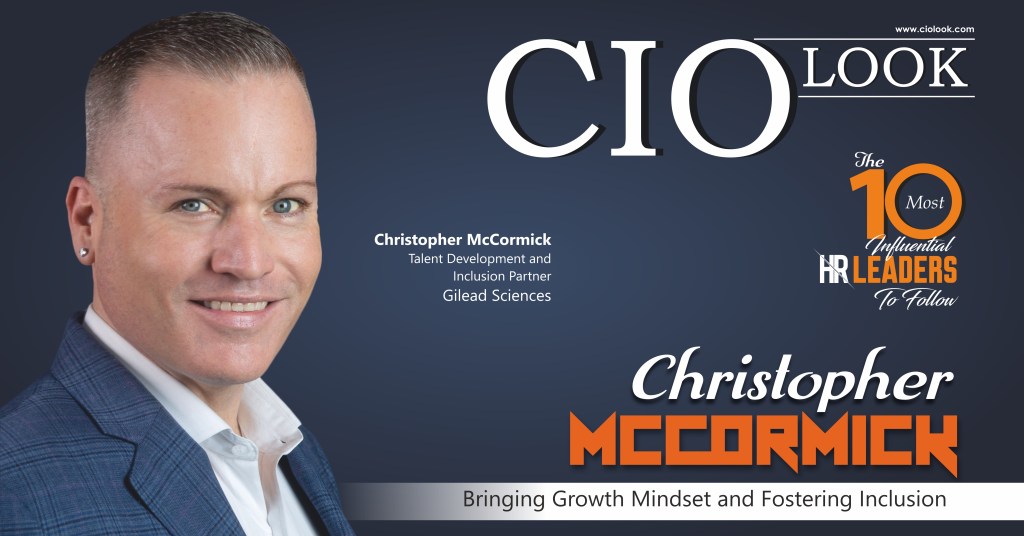
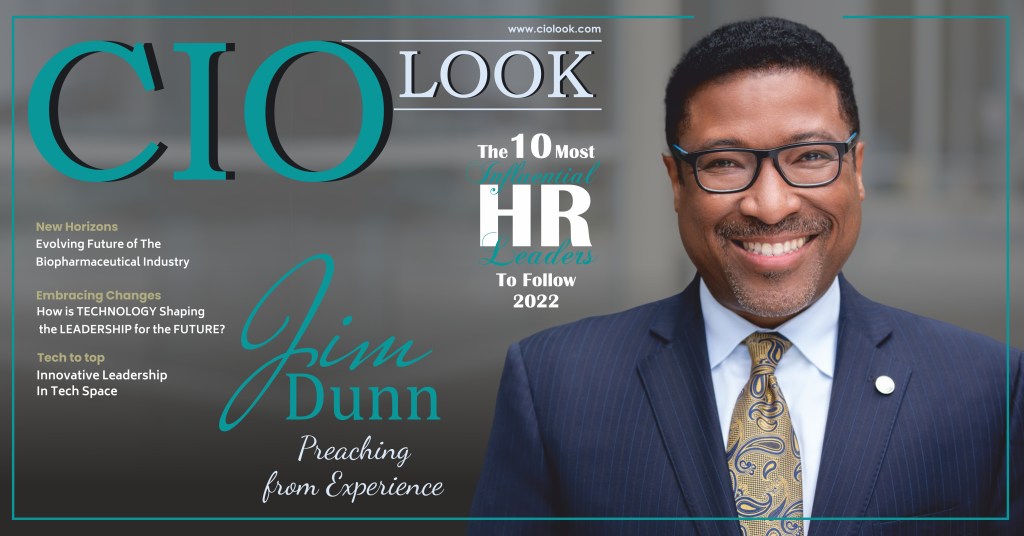
Without any further delay, As you might be intrigued and got encapsulated in a moment of gushing into such inspiring stories, flip the pages to view the gold standard of HR Leaders through this edition of Insights Success, “The 10 Most Influential HR Leaders To Follow 2022.”
The success of Marvel has become a case study in many offices and classrooms. Marvel is not only built on the back of its less popular characters (believe it or not, Ironman wasn’t this iconic before Robert Downey Jr played him), but it has consistently delivered quality after quality products since its launch in 2008. Even with some hiccups in the middle (looking at you, Hulk and Thor), Marvel has bounced back with twice the energy and given a performance to remember. This performance speaks not only on the screen but also in the record-smashing earnings that the Marvel movies have collected.
Let’s look at the 8 business lessons that can be learned from the Marvel Cinematic Universe and its characters:
Nick Fury: The right ‘A’ team can define success
The infamous Nick Fury had the right idea. Whether it’s in movies or in real life, putting together, the right people can define success or failure for the company. Even though the Avengers had gone through their own fair share of ups and downs as a team, when the chips were down, they have always shoulder to shoulder in the fight — which is exactly why Nick Fury had made the team, “To deal with things we never could.”
This can be seen in the success of the Marvel movies themselves. By bringing individuals that genuinely care about what the movie says, that are passionate about their art and craft — Marvel was able to create success like no other.
Tony Stark: Innovation will keep you ahead of everyone else
One of my favorite things from across the Marvel movies has been the depiction of a typical engineering mindset that can be seen in the progression of the Ironman suits. Every iteration has updates or innovations that are a direct result of a previous encounter that highlighted a lack in the suit’s makeup. Not only that, but Tony Stark’s tendency to innovate has enabled him to stand toe to toe with Wizards, Gods, Superhumans, and Giants.
Again, using the example of Marvel, the cinematic universe has been unafraid to innovate when things don’t seem to work out. The company has not only stuck with things that worked but has also brought novelty to the Marvel characters by using different genres as a tool to breathe life in the superhero genre.
Thor: Learn from your mistakes
Both the movies and the characters are great learning opportunities for business leaders inspired by Marvel. Even though Thor is a centuries-old god and entitled to a throne, he hasn’t ever been afraid to learn from his younger or lessers. It is a bitter lesson that the young god has to learn when his father casts him out of his home, that his worthiness doesn’t come from a title he hasn’t earned but from his actions that do.
{
“@context”: “https://schema.org”,
“@type”: “FAQPage”,
“mainEntity”: [{
“@type”: “Question”,
“name”: “What is Marvel’s mission statement?”,
“acceptedAnswer”: {
“@type”: “Answer”,
“text”: “Marvel’s mission statement is: “A vision as far-reaching as our stories.” Amazingly simple but also very ambitious, it communicates to everyone on staff and their part in achieving it.”
}
},{
“@type”: “Question”,
“name”: “What makes the MCU successful?”,
“acceptedAnswer”: {
“@type”: “Answer”,
“text”: “The Marvel Cinematic Universe, arguably the most profitable franchise ever, achieves the ideal balance by choosing for seasoned inexperience, capitalizing on a strong core, consistently changing the formula, and fostering customers’ curiosity.”
}
},{
“@type”: “Question”,
“name”: “What is Marvel’s business model?”,
“acceptedAnswer”: {
“@type”: “Answer”,
“text”: “Marvel Worldwide Inc is an illustration of a “products” business model. The business develops intellectual property for its parent company, Marvel Entertainment LLC, in the form of comic book characters and plots that are marketed directly to readers via retailers’ physical or digital outlets. Additionally, Marvel Entertainment uses this intellectual property in its own motion pictures and grants licenses to other businesses (e.g., TV networks).”
}
},{
“@type”: “Question”,
“name”: “Who was Marvel’s first superhero?”,
“acceptedAnswer”: {
“@type”: “Answer”,
“text”: “Human Torch. The character made its debut in the first story of the now-classic comic book Marvel Comics #1 (1939). The fictional superhero character was created by artist Carl Burgos. He also wrote the first original story.”
}
},{
“@type”: “Question”,
“name”: “”,
“acceptedAnswer”: {
“@type”: “Answer”,
“text”: “”
}
}]
}
One of the biggest betrayals I have felt to date is when I realized that there is no ‘making it.’ I was told as a child that once you have completed school, once you have graduated from college, once you have your job and so on – you have made it, you can settle. I don’t know why but naïve, gullible me took it to mean that there would be no more struggles like there were in school or college. Stupid, I know, but we all have these preconceived notions of how the world works and realizing that it doesn’t feels like a betrayal.
Covid-19 was one of those events where everything we think we knew about how the world can function was turned upside down. People and businesses discovered new ways to operate. In the two years of the new normal, some got comfortable with the remote working style while others longed for the good old-fashioned in-office working model.
Even with the pandemic declining and offices opening up experimentations in working models continue with the hybrid working style and the four-day work weeks. Resignations abound as employees look for more flexibility and work satisfaction instead of just a bigger paycheck and perks. Meanwhile, businesses scramble to keep up with the changing labor market and wish for the stability of things as they used to be.
The tide of change shifts the sands beneath our feet, and no one knows how things will settle.
“There is magic in the old and magic in the new; the trick is to successfully combine the two.” ― A.D. Posey.
The HR leadership has an opportunity here – to balance the old and new ways of working, to find a compromise that works for both the employee and the employer. The path ahead is full of trickery as clarity is lacking at many points and the tide of changes isn’t out yet.
Insights Success got in touch with human resource leaders who have been navigating this wave of change at work successfully. In the edition, ‘The 10 Most Influential HR Leaders To Follow’ we talked to HR leaders working across industries about the journey they took to become the leader they are today, the challenges they faced along the path, the skills they needed to learn to succeed, and how they are dealing with the changing workplace expectations.
I have been a writer and an artist in the making, so I was pretty excited about technologies like DALL-E and Midjourney that can create cool images given text as a prompt. Whatever you say about my drawing abilities, I have a good imagination and seeing it come to life as I write seemed pretty amazing to me.
Also, I remember when machines started winning chess matches against human grandmasters, and there was an undercurrent of worry in all news stories at that time, iterating, “will machines overtake us everywhere?”
This worry seems to gain more weight when we start talking about the manufacturing industry and how automation is putting more and more people out of jobs. As a passionate enthusiasts of the sci-fi genre, I am guilty of looking toward books and movies for answers sometimes – are we going to be ruled by machines or are we going to gain tools that will propel the evolution of our society to new heights – in short, will it be an iRobot situation or a Real Steel situation?
Probably neither, looking at history for a better factual answer, when transportation evolved from an animal-based system to a fully motorized one, there were many jobs that did go out of existence, but dozens of new ones were created in its place. On the parallel lines, Society industrialized with every man, woman, and child owning some sort of vehicular system for travel. The same thing happened when technologies like phones and the internet were invented, and now it is happening again with artificial intelligence.
As car racing became a beloved sport and computer-assisted humans ‘centaurs’ chess playing is becoming a thing, AI assistance is pushing the limits of humans’ physical, cognitive, and creative capabilities. But from the outside, everything about AI can seem intimidating – ‘am I too late to catch this train?’ is the question that comes to one’s mind.
It doesn’t have to be. Like a writer dabbling in novice AI artistry– the bar for entry in this field has become quite low. The real question is how to reach the top of a field that seems to be inventing something new at a breakneck speed.
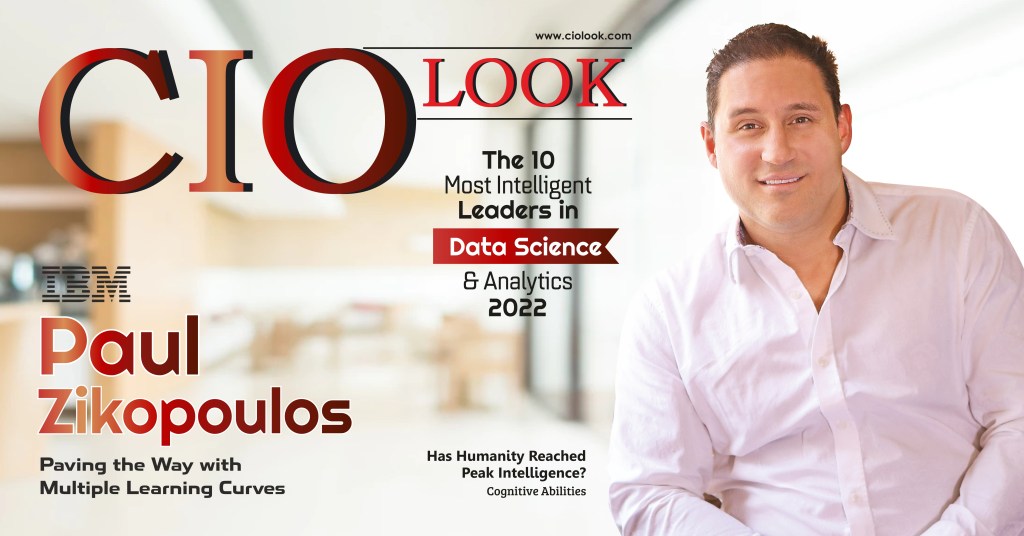
We at Insights Success set to find leaders who have been at the forefront of AI and Data Science & Analytics technologies that are rapidly proliferating in every sphere of life at a speed that seems to leave one’s head spinning. In our latest edition, ‘The 10 Most Intelligent Leaders in Data Science & Analytics’ they talk about changes AI technology is set to bring in the future, how they keep pace with rapidly evolving tech, and what it takes to become a leader in this industry.
One of the greatest thinkers of our generation- Darwin, formulated a theory that emphasized ‘Survival of the Fittest.’ He explained how nature keeps on changing with passing time.
There is no way to stop the ever-changing environment affected by multiple factors surrounding the earth. The creatures that evolve themselves to fit inside newly changed environments are the ones who survive the test of time. Sadly, those who don’t perish to the adverse effects of changing time.
Taking parallels from ‘Darwin’s Theory of Evolution’ into the business world, the ecosystem feels no different.
Ever since the first organization’s incorporation, businesses have evolved, and so have the companies. The state of the business world is changing every passing day with the introduction of new ideas and innovation.
The industrial revolution paved the way for significant businesses to create a foothold in the industry. The internet and the IT revolution allowed many organizations to take their businesses digital.
Cut to the latest web 3 ramifications of processes which have presented an enormous opportunity for innovators to build the next generation of companies based entirely on blockchain. The point is that no business is sure to thrive forever- a change to the core is essential for it to survive.
The businesses which re-engineer themselves to sustain themselves are the ones that lead their segment. The business world presents opportunities for innovators around the world to showcase their products and services with every passing cycle.
When Steve Jobs presented the first iPhone to the world in 2007, who knew it was the beginning of the line-up for the most iconic phones in the world? It was a major event in the tech world that opened gateways for Apple to become our generation’s most well-known and valuable company.
A leader like Steve Jobs had the vision to create a disrupting product that changed the course of technology forever. That’s what makes a leader great- The ability to forecast the future, assembling a team capable of taking the vision and making it into reality. The visualized aspirations can be embodied only when there is a bridge of thoughts between a leader and a creator.
Now, what makes a leader iconic? The ability to add value to people’s lives while sticking to the purpose of innovation. A combination of creating next-generation products in the industry, always staying ahead of the pack, and keeping in mind the reason for starting the company makes a leader an Icon!
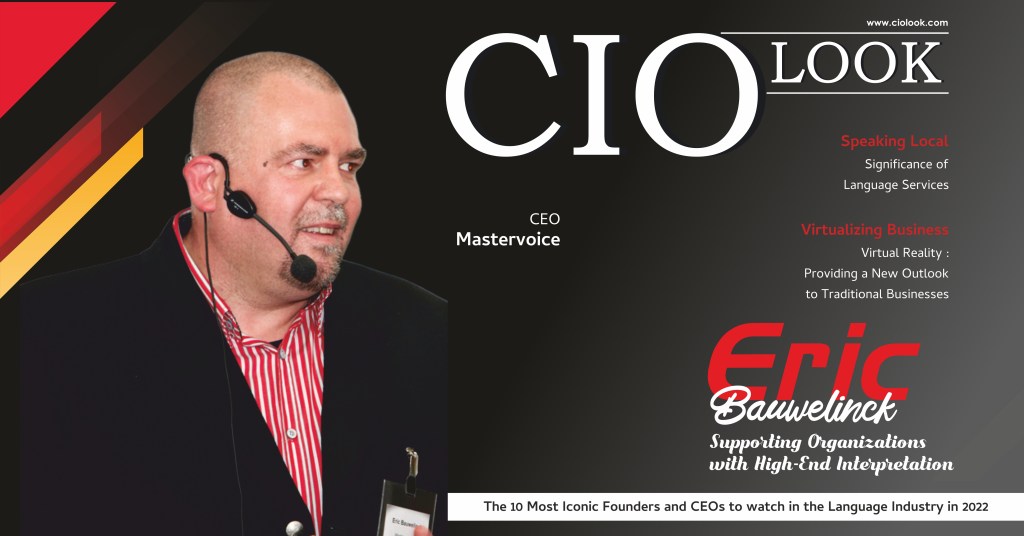
A leader who has created revolutionizing products that add value to her consumers’ lives, Mary Ahrens is an iconic leader who is also giving back to society. She is featuring on the cover of “The 10 Most Iconic Founders and CEO’s to Watch 2022.” She is the first of the 10 path-breaking iconic founders and CEO’s who have made it big this year.
Women have broken into business bastions, delivering exceptional growth standards over the years. They have challenged themselves to build a systematic eco-system to play with, thereby pushing the boundaries of innovation and expansion. Armed with business growth ideas, women have led the business world for decades with immaculate execution, smooth work handling, and the futuristic vision they possess.
The million-dollar question now is, Where to go from here?
Now that women leaders have achieved the peak of business growth and entrepreneurship, what more can they do to challenge themselves?
The answer to this lies in the idea of trailblazers who create their path to success. Women leaders are not bound by the limitations of the traditional business world. New-age business leaders are not afraid to take risks and venture into unknown lands of uncertainty. When leaders have a business idea in mind which has the potential to break the norms, they set into motion a system of thoughts that transform that idea into a reality.
All it requires is a strong belief system and the courage to build, to transform a business into a path-breaking company.
We tend to remember the trailblazers who flipped the industry upside down when we talk about eras. We are talking about pathbreakers here. Leaders who dare to bring about a change. Leaders who have a vision. Leaders who have the power to execute that vision.
The leaders who have a futuristic vision are often the ones who come out on top. Industry leaders are concerned about the target they intend to achieve. Their targets have often set them apart from the normal. Trailblazers are never afraid of an idea that has the potential to do something big, even if the risk of failing is relatively considerable.
Women trailblazers are changing the business environment by constantly bringing new ideas and strategies. An essential aspect of creating a successful trial is having a fixed plan for execution. The team they’re working with must be on board with the set goal. A capable team and a dedicated management system can go a long way in bringing path-breaking innovation to life. Successful leaders often credit their colleagues who have helped them achieve their feat. A strong and capable workforce can help leaders achieve their goals in a much lesser amount of time.
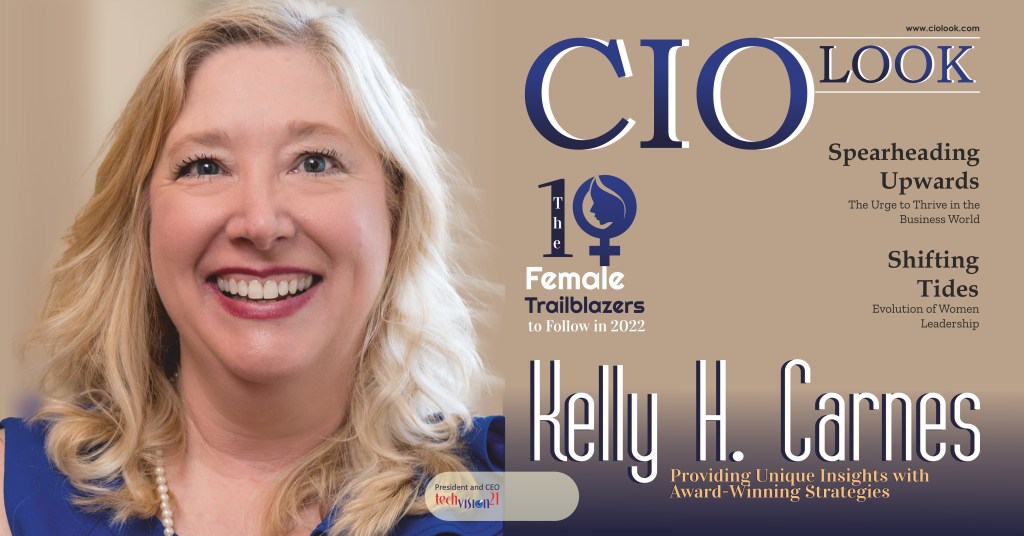
Talking about the trailblazers who have left the remainder of leaders behind, Insights Success has curated the top women leaders who have achieved their best this year. The edition, “The 10 Female Trailblazers to Follow in 2022,” covers immaculate trailblazers who have scripted their way to the top. One common trait about them is their unparalleled dedication and hard work, making their dream work.





 Business Magazines